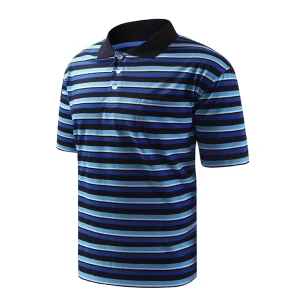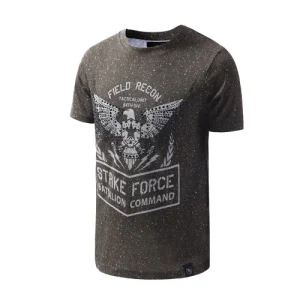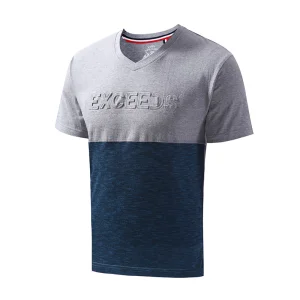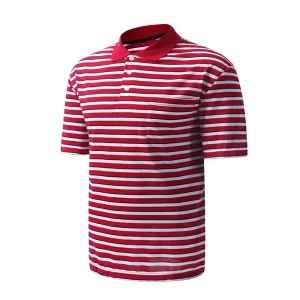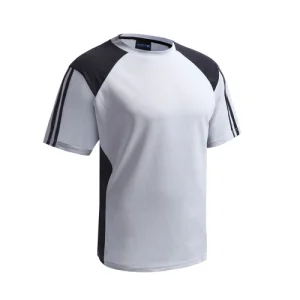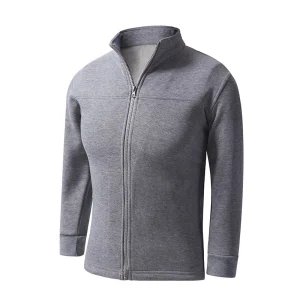
High-performance activewear, technical outer layers, and engineered sweatshirts manufactured under stringent ISO/CE quality standards.
Analyzing shifting trade routes, tech-fleece adoption, and macroeconomic drivers shaping ODM production in 2025 and beyond.
The global men’s apparel market has undergone a fundamental structural pivot. Once relegated to casual homewear or basic athletic warmup gear, the men's sweatshirt has transformed into a cornerstone of the global "athleisure" and technical streetwear revolution. Driven by changing workplace dress codes, post-pandemic lifestyle preferences, and advancements in functional textiles, demand for original design manufacturing (ODM) in the sweatshirt segment has reached unprecedented global volumes.
Industry analytics project the worldwide fleece and mid-layer market to expand at a compound annual growth rate (CAGR) exceeding 6.4% over the next decade. High-growth drivers include consumer demand for heavier Grams per Square Meter (GSM) fabrics, bio-based synthetic blends, anti-pilling technologies, and refined tailored cuts that seamlessly transition from remote work environments to urban socializing.
Modern garment brands no longer seek simple cut-and-sew sub-contractors (OEM). Instead, enterprise brands require end-to-end Original Design Manufacturers (ODM) capable of delivering complete technical blueprints, customized material R&D, fast-turnaround sample prototyping, and full compliance with international environmental standards. ODM manufacturing mitigates brand side inventory risk by streamlining prototype iterations, optimizing marker consumption via computer-aided design (CAD), and stabilizing fabric supply chains across global markets.
Jiangxi Huiyuan Industrial Development Co., Ltd. – Operational Infrastructure & Technical Capabilities
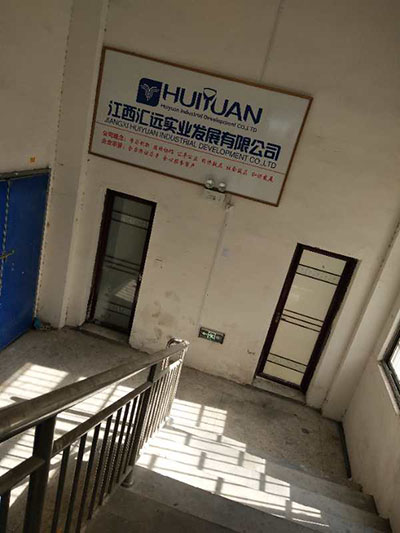
Jiangxi Huiyuan Industrial Development Co., Ltd. was founded in 2005 and is strategically located in the Xiaolan Industrial Zone, Nanchang, Jiangxi Province. We are an established leader specializing in the production and export of premium knitted garments worldwide. Our international trade footprints span across Europe, the USA, Australia, the Middle East, the Caribbean (Panama), Asia (Japan), South America, and Africa.
We have cultivated over 16+ years of manufacturing experience, maintaining a steady apparel processing facility equipped with cutting-edge automated machinery, highly trained textile engineers, and a rigorous multi-tier Quality Assurance (QA) inspection structure.
Our expansive product portfolio encompasses: T-shirts, Polo shirts, Activewear, underwear, singlets, briefs, boxers, ladies' slips, short/long pants, sweaters, hoodies, sweatshirts, pajamas, children's 2-piece/3-piece sets, women's dresses, swimsuits, and tracksuits. Additionally, we provide tailored solutions for custom corporate uniforms and promotional garments executed to exact technical specifications.
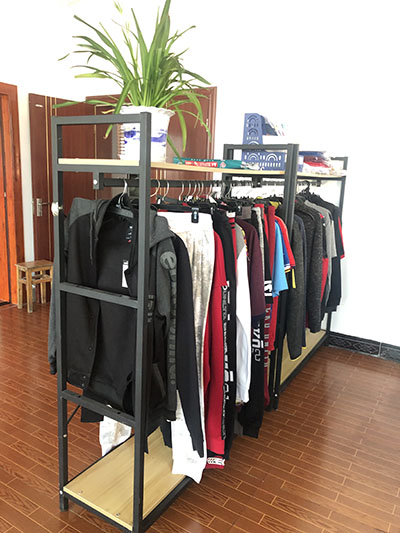
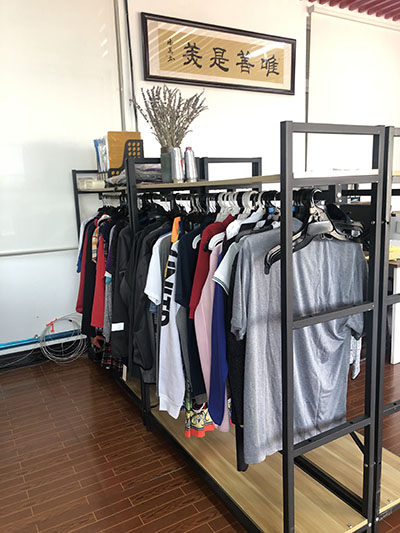
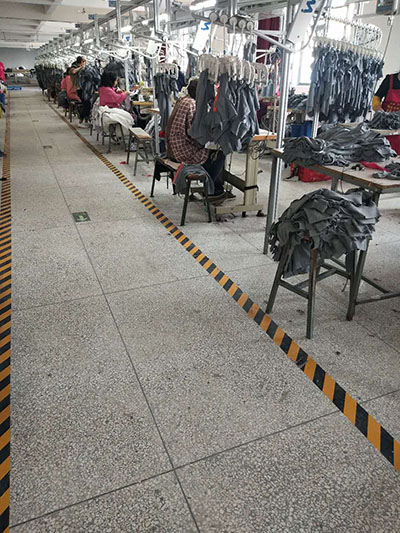
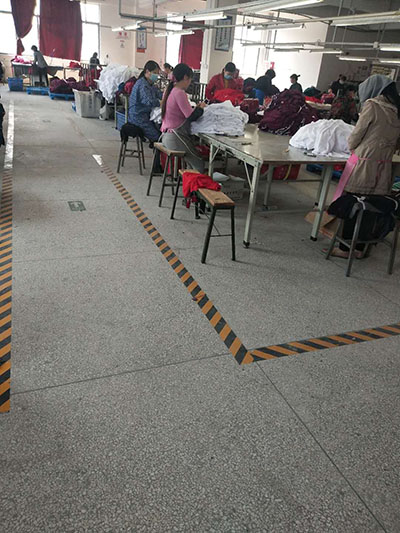
State-of-the-art sewing, cutting, and textile manipulation hardware driving monthly yields of 150,000 units.
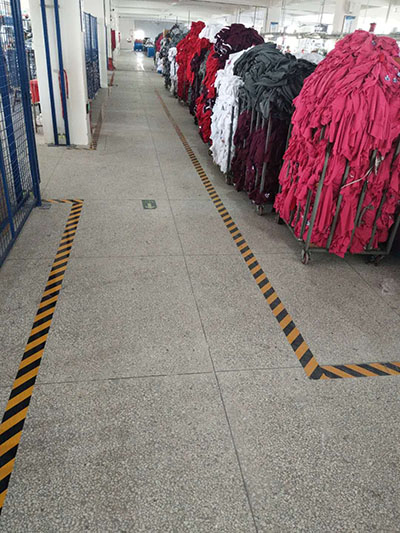
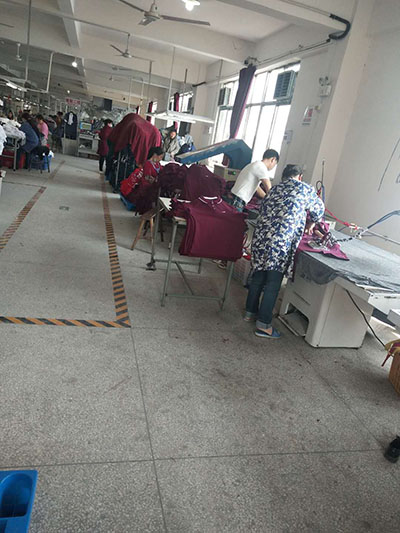
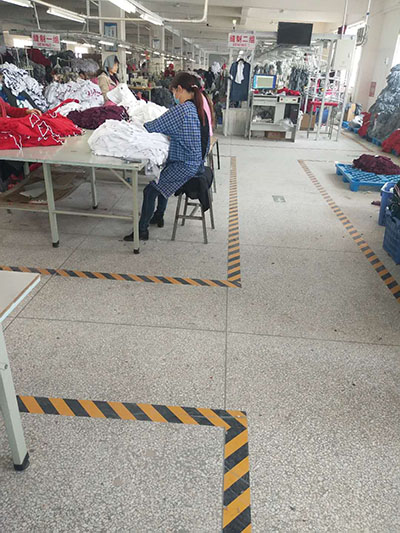
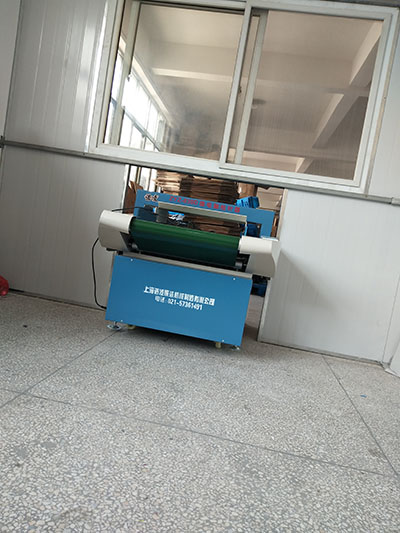
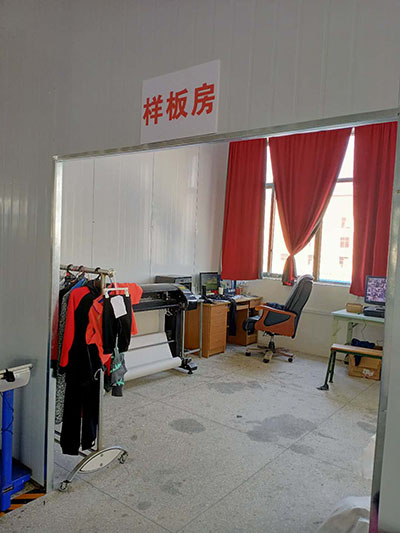
Comprehensive breakdown of yarn counts, knit structures, and finishing processes available for enterprise ODM orders.
We offer versatile raw material formulations tailored to target market price points, thermo-regulation metrics, and tactile softness criteria:
Custom engineered knitting options to match specific seasonal thermal requirements:
| Fabric Type | Typical GSM Range | Shrinkage Control | Primary Application | Recommended Finishing |
|---|---|---|---|---|
| Heavyweight French Terry | 350 - 450 GSM | < 3% (Pre-shrunk) | High-End Streetwear Hoodies | Enzyme Wash & Silicon Softener |
| CVC 3-Thread Fleece | 300 - 380 GSM | < 3.5% | Commercial Core Sweatshirts | Anti-Pilling Brushed Interior |
| Performance Poly-Spandex | 240 - 300 GSM | < 1.5% | Athletic Activewear & Training | Wicking & Anti-Bacterial Coating |
| 100% Organic Cotton Terry | 320 - 400 GSM | < 4% | Eco-Friendly / Sustainable Apparel | GOTS-Certified Eco Dyeing |
Strategic advancements in intelligent manufacturing, circular textiles, and digital prototyping.
By implementing 3D CLO digital garment rendering, we accelerate design approvals from weeks to 48 hours. Brands can visualize fit drape, seam stress points, and print placement in a digital twin environment prior to sample fabric cutting, drastically reducing material waste.
Consumer shift towards eco-responsibility demands Recycled Claim Standard (RCS) polyester derived from post-consumer PET bottles and GOTS-certified organic cotton. Our factory integrates closed-loop water treatment systems and low-impact reactive dyes.
Current fashion telemetry indicates a persistent demand for boxy, drop-shoulder, oversized silhouettes with reinforced double-needle cover-stitching. Manufacturing these garments requires specialized wide-bed automatic cutting tables to ensure grainline alignment.
Tailoring ODM sweatshirt production to distinct global market requirements and regional climate specs.
Focus on heavy GSM (380 - 450 GSM), generous loose fits, high durability for machine drying, and strict compliance with CPSIA flammability standards. High demand for fleece-lined quarter-zips and classic crewnecks.
Emphasis on tailored slim/regular fits, organic cotton blends, OEKO-TEX Standard 100 chemical safety compliance, REACH chemical registration, and subtle minimalist branding via micro-embroidery or high-density rubber prints.
Preference for lightweight French Terry (240 - 280 GSM), moisture-wicking poly-cotton blends engineered for air-conditioned urban environments, and breathable UV-protective outerwear shells.
From initial design conceptualization to global customs dispatch – a structured 6-phase engineering lifecycle.
Evaluation of tech packs, fabric weight matrices, pantone color matching (TPX/TCX), and measurement specs.
Dye house formulation of lab dips (A/B/C options) alongside pre-production counter-sample development within 7 days.
Bulk knitting on circular machine banks followed by overflow jet dyeing, tensionless drying, and compaction for zero shrinkage.
Computerized knife cutting for exact millimeter accuracy, coupled with 4-needle 6-thread flatlock assembly lines.
100% inline needle detector inspection, seam pull-strength testing, and systematic AQL 2.5 final audit before polybagging.
Custom packaging, barcoding, palletizing, and ocean/air freight handling to major global port hubs with DDP/FOB terms.
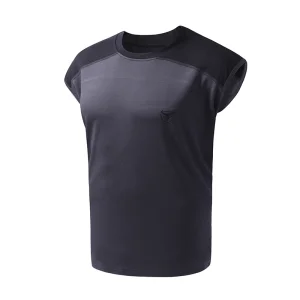
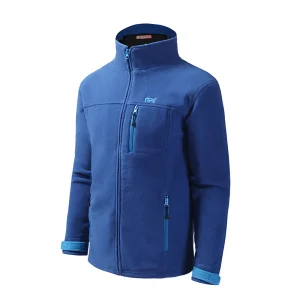
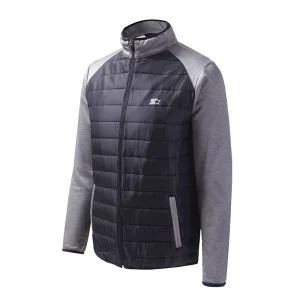
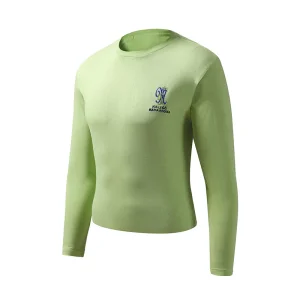
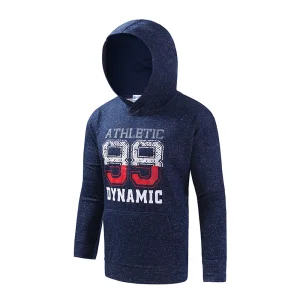
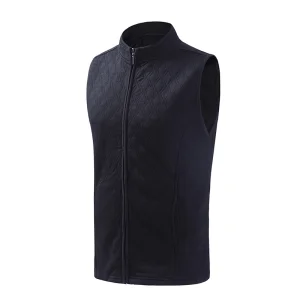
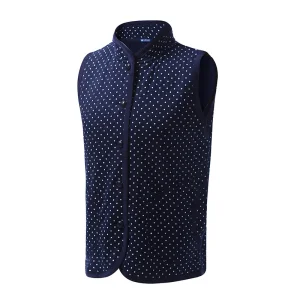
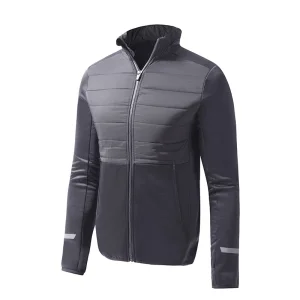
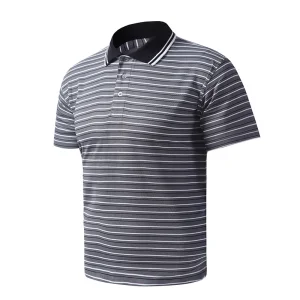
Explore our complete range of specialized fleece jackets, custom waistcoats, polos, and engineered long-sleeve layers.
Direct responses regarding technical specifications, minimum order quantities (MOQs), fabric sourcing, and OEM/ODM workflows.
OEM (Original Equipment Manufacturing) requires the client to provide complete tech packs, patterns, and fabric specifications, where the factory acts strictly as a cut-make-trim (CMT) assembler. In contrast, our ODM (Original Design Manufacturing) service provides complete end-to-end design assistance, proprietary fabric R&D (such as custom GSM brushed fleece), pattern creation, sizing grading across global demographics, and full technical package engineering based on high-level market concepts provided by your brand.
Shrinkage control is established during the textile finishing phase. All knitted fabrics undergo preshrinking treatments via continuous tubbing, tensionless drying, and high-temperature stenter compaction processes. This guarantees that finished 100% cotton and CVC fleece fabrics maintain dimensional stability with a post-wash shrinkage variance of less than 3% under standard commercial wash cycles.
Standard production MOQs generally start at 1,000 units per colorway for custom dyed fabrics, though flexible tier options exist for enterprise accounts or stock fabric colors. Sample lead times typically take 7 to 10 working days following tech pack lock-in, while bulk production is completed within 25 to 35 days depending on print complexity and total volume.
We support a comprehensive array of apparel embellishment techniques including: High-Density (HD) Rubber Printing, Puff Screen Printing, Chenille & Tatami 3D Embroidery, DTG (Direct-to-Garment), Sublimation, Custom Jacquard Ribbing, Silicone Heat Transfer Labels, and Distressed Vintage Acid Washing.
Jiangxi Huiyuan Industrial Development Co., Ltd. operates under strict compliance standards. Our manufacturing lines adhere to ISO9001 Quality Management systems, OEKO-TEX Standard 100 chemical safety mandates, and CE certifications for applicable workwear apparel lines, ensuring effortless customs clearance across global destinations.
For inquiries regarding our ODM/OEM sweatshirt production capabilities, custom fabric developments, or bulk quote estimates, leave your email below. Our engineering sales team responds within 24 hours.